Start with people
Most failed projects did not fail because of the software. Nobody agreed on what done looks like, nobody owned the work after launch, or the people who had to use it were never asked.
A story that starts in 1989
I am curious about how things work and stubborn about making them useful. My first contact with technology was a VTech Talking WhizKid in 1989. I went online in 1996. Today, I connect AI, business and people through the software and creative work I make, the rooms I teach in and the teams I work with.


1989 · The first encounter
In 1989, I had a VTech Talking WhizKid. That was my first contact with technology, seven years before I went online.
It was a learning computer with a keyboard, a small LCD screen, a talking tutor and printed picture cards. Maths, spelling and music were things you could interact with.
Technology entered my life through a tool made for learning. Today, helping people learn to use technology is a large part of my work.
VTech introduced the Talking Whiz Kid in 1987. The year 1989 is when it became part of my story. VTech’s history and the original user manual document the device.
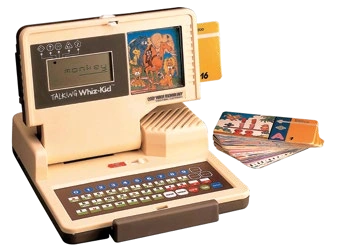
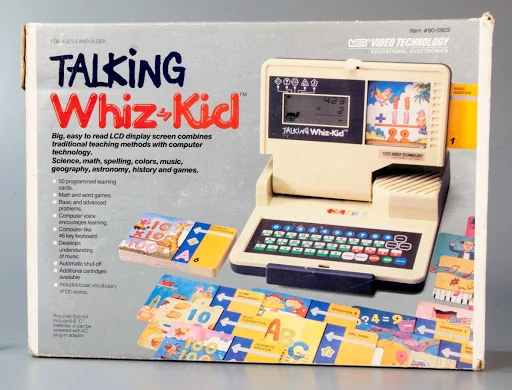
A VTech Talking WhizKid was my first encounter with technology. A learning computer came before the internet.
My first internet connection, on dial-up in Shah Alam. A new way to find information and connect with people.
Websites, servers and systems for clients. Work that had to keep running on Monday morning, not just look good in a demo.
Running a small company of my own. I learned where money and time actually go in a small team.
Weekly live sessions, workshops and guest lectures. A lot of it for people who had been told technology was not for them.
AI, business and people, brought together through talks, programmes, consulting and software development. The work starts with what someone needs to learn, build or get done.
The internet came next, in 1996. Then came websites and systems, running a business, and teaching in classrooms, workshops and boardrooms.
Working across those settings taught me to look beyond the tool. A system has to work for the people using it. A business has to make the time and cost worthwhile. A class has to leave someone able to do something.
That is how I approach AI and software today. Start with real work, make the tools useful and help people build enough understanding to carry on for themselves. Sometimes that means teaching a team. Sometimes it means building the website, application, integration or system they need.
Explore the websites and systems I have madeFour beliefs shape every talk, class and build. Each one comes from something that went wrong first.
Most failed projects did not fail because of the software. Nobody agreed on what done looks like, nobody owned the work after launch, or the people who had to use it were never asked.
A demo that delights and a tool nobody opens are the same failure. I would rather ship the boring fix that saves four hours a month.
Every engagement ends with someone on your team able to own it: notes, source code and a handover, not a dependency on me.
If I am not the right person, or the idea will not pay for itself, I say so on the first call. A clear no is more useful than a hopeful yes.

Most technology projects I have seen go wrong did not fail because of the software. They failed because nobody agreed on what done looks like, nobody owned the work after launch, or the people who had to use it were never asked.
That is why my first questions are always about the work, not the tool. What are you trying to get done? Who does it now? What part of it wastes their time? Once those answers are clear, choosing tools gets much easier.
Work is only part of my life. These are the other parts, in no particular order.
I also make music and films, and follow ideas that begin simply as hobbies. Some find their way into bigger projects; others are a reason to keep exploring.
Explore my creations
A talk, a collaboration or a project — tell me which one you have in mind and what you want to change.